How to Pick Furniture That Lasts in a Busy Home
Furniture in a busy household takes a beating. Kids jump on sofas. Pets scratch chair legs. Spills happen at the dinner table. And after a long day, everyone just wants to sit down without worrying about a wobbly arm or a peeling veneer. Choosing pieces that hold up under real use means looking past the surface and understanding what makes a chair, table, or sofa truly durable.
Start with the Frame
The frame is the skeleton of any piece of furniture. If it is weak, nothing else matters. For seating, look for frames made from solid hardwood like oak, maple, or ash. These species have tight grain structures that resist warping and cracking over time. Engineered wood products such as plywood or MDF can be acceptable if they are thick and well-constructed, but they are heavier and more prone to damage if moisture gets in. A simple test: lift one corner of a sofa or armchair. A sturdy frame will not twist or creak. If it does, the joinery is probably weak.
For tables and desks, check how the legs attach. Corner blocks glued and screwed into place are far stronger than staples or small nails. Avoid pieces where the legs are only held by dowels or plastic brackets. In a busy home, a child climbing onto a chair or a heavy pot landing on a table can snap a poorly attached leg.
Consider the Joinery
How the parts of a piece fit together tells you a lot about its lifespan. Dovetail joints in drawers, for instance, are a hallmark of quality. They interlock the front and side panels so that the drawer does not pull apart under heavy use. Mortise and tenon joints in table legs and chair rails also add real strength. If you can see the joinery, examine it. If it is hidden, look for screws rather than staples holding the frame. Staples work for lightweight assembly but loosen over time, especially in furniture that gets moved or sat on repeatedly.
Watch out for pieces that rely heavily on glue alone. While good wood glue is strong, it cannot compensate for poor fit or missing mechanical fasteners. A combination of glue and screws or dowels is best. For upholstered furniture, the frame joints should be reinforced with corner blocks on all four corners of the seat base. Without them, the frame can rack sideways and fail after a few years.
Upholstery and Fabric Choices
Fabric durability matters most in rooms where people eat, watch TV, or nap. Look for fabrics with a high double rub count, which indicates resistance to abrasion from repeated sitting and shifting. A count of 15,000 double rubs or more is considered heavy duty, suitable for everyday use in a family room. For pieces that see light use, such as a formal living room sofa, a lower count is fine.
Consider the fiber content. Synthetic blends like polyester, nylon, or olefin resist staining and fading better than natural fibers such as cotton or linen. Sunlight can weaken natural fibers over time, so if the furniture sits near a window, a synthetic or a synthetic-heavy blend will last longer. Crypton and other performance fabrics have a protective barrier that makes spills bead up and wipe off. They cost more, but in a house with young children or pets, they can save you from replacing cushions after one accident.
For leather upholstery, look for top-grain or full-grain leather. These are the strongest layers of the hide. Bonded leather, which is made from leather scraps glued together, peels and cracks within a year or two in a busy home. Aniline leather is beautiful but stains easily, so it may not be the best choice for a dining chair or a sofa that gets daily use.
Finish and Surface Durability
A durable finish protects wood from moisture, heat, and scratches. For tables and desks, look for a catalyzed lacquer or a conversion varnish. These finishes cure hard and resist water rings, alcohol spills, and scratches far better than standard polyurethane. If you prefer a natural oil or wax finish, be prepared to reapply it every few months. In a busy kitchen or dining room, that maintenance may feel like a chore.
Check the edges of tabletops and the tops of sideboards. A sharp edge chips more easily than a slightly rounded one. If the piece has a veneer, make sure the veneer is thick enough to be sanded and refinished if it gets damaged. Thin paper-thin veneers cannot be repaired without replacing the entire top.
For metal furniture, look for powder-coated or baked-enamel finishes. They resist chipping and rust better than painted or plated surfaces. Stainless steel and aluminum are naturally corrosion-resistant, but they scratch more easily than powder-coated steel. Weigh your priorities: if you want a piece that stays looking new, a scratch-resistant finish is more important than rust resistance indoors.
Weight Capacity and Stability
Even the best materials fail if the design cannot handle the load. Check the weight capacity of any piece that people sit on or store heavy items in. A shelf rated for 50 pounds may sag under a stack of books. A sofa with a weight capacity of 300 pounds per seat may not suit a household where larger adults or teenagers use it daily. Manufacturers list these numbers in the product specifications. If they are not listed, ask or look at the width and thickness of the support members. Wider, thicker pieces are generally stronger.
Stability matters too. A tall bookcase or a narrow console table can tip if a child climbs on it or if someone bumps into it. Look for anchor straps or a wide base. For chairs and stools, a four-legged design is more stable than a three-legged one. If you have uneven floors, look for adjustable glides or levelers. Without them, a table or chair wobbles and puts uneven stress on its joints.
Care Instructions and Realistic Maintenance
No piece of furniture lasts forever without care. Before you buy, read the manufacturer's care instructions. If a piece requires special cleaners or frequent polishing, factor that into your decision. Some finishes need to be wiped with a damp cloth only, while others can handle mild soap. If you have children or pets, you will want a surface that cleans up quickly without leaving residue.
For upholstery, check whether the cushions are removable and whether the covers are machine washable. Not all removable covers can go in the wash. Some must be dry-cleaned, which adds cost and inconvenience. A piece with zippered, washable covers is easier to keep fresh in a busy home. If the fabric is not removable, a professional cleaning every year or two may be needed to keep it looking its best.
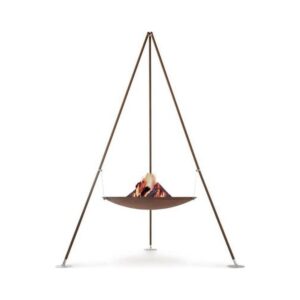
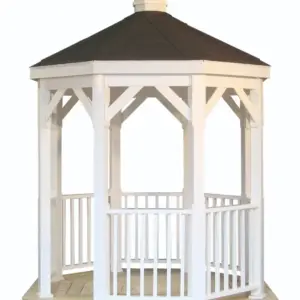
When you are ready to shop, a place like powerfurnitureusallc.com offers a wide range of indoor and outdoor furniture, from sofas and dining sets to fire pits and patio structures. Their selection covers many of the material and construction types discussed here, so you can compare options side by side. Whether you need a solid wood dining table that can handle daily meals or a weather-resistant outdoor sofa, paying attention to the frame, joinery, and finish will help you pick pieces that last through years of family life.
Doorway Width and Delivery Access
One practical point that often gets overlooked: will the furniture fit through your doorways, hallways, and stair landings? Measure the widest point of the piece and compare it to your narrowest doorway. Many sofas and sectionals come in pieces that can be carried up stairs or around corners, but some are assembled in one piece. If you live in an apartment or have tight turns, a modular design that breaks down into smaller sections may be your best bet. Check the delivery notes before you buy, and if possible, have the delivery team do a test walk-through before they bring the piece inside. A sofa that cannot get through the front door is a headache you do not need.
Finally, remember that durable furniture is an investment in your home's comfort and your family's daily life. It is worth taking the time to look at construction details rather than just the color or style. A well-made piece will outlast several cheaper replacements, and it will stay looking good through spills, scratches, and everyday wear. For a wide selection of quality furniture, you can browse options at powerfurnitureusallc.com and compare features like frame material, fabric type, and weight capacity before making your choice.